Buy herbshop85.com ?
We are moving the project
herbshop85.com .
Are you interested in purchasing the domain
herbshop85.com ?
domain@kv-gmbh.de · 0541-91531010
Buy herbshop85.com ?
How are genetic information passed on as nucleic acids?
Genetic information is passed on as nucleic acids through the process of DNA replication and cell division. During DNA replication, the double-stranded DNA molecule unwinds and separates into two strands, and each strand serves as a template for the synthesis of a new complementary strand. This results in two identical DNA molecules, each containing one original strand and one newly synthesized strand. During cell division, the replicated DNA is distributed equally between the two daughter cells, ensuring that each cell receives a complete set of genetic information in the form of nucleic acids. This process allows genetic information to be passed on from one generation to the next. **
How does a single DNA strand look with different nucleic acids?
A single DNA strand is made up of a sequence of nucleotides, which are the building blocks of DNA. Each nucleotide consists of a sugar molecule, a phosphate group, and a nitrogenous base. There are four different nitrogenous bases in DNA: adenine (A), thymine (T), cytosine (C), and guanine (G). The sequence of these bases along the DNA strand determines the genetic information it carries. So, a single DNA strand can look different depending on the specific arrangement of these nucleic acids along its length. **

Similar search terms for Nucleic acids
Top-Angebote
Products related to Nucleic acids:
-
Drop Dash Deals Cleansing Detox Foot Pads For Pain Relief & Toxin Removal Herbal Organic Foot Patches For Wellness Cleansing Detox Foot Pads For Pain Relief & Toxin Removal Herbal Organic Foot Patches For WellnessExperience a natural, rejuvenating detox with these 10 pcs Cleansing Detox Foot Pads. Designed to help remove harmful toxins from your body, these herbal organic patches are perfect for those seeking relief from aches, pain, and fatigue. Simply...29,97 $*Shipping: 0,00 $Secure redirect to the provider
-
Happy Pet Pantry Herbal Dog Throat & Respiratory Support Liquid For Cough Relief & Digestive Wellness Herbal Dog Throat & Respiratory Support Liquid For Cough Relief & Digestive WellnessWhen your dog struggles with coughing, dryness, or throat discomfort, it can be worrying to watch. This herbal liquid formula works as a dog throat supplement designed to gently soothe irritation and support daily comfort. Formulated for pet...39,97 $*Shipping: 0,00 $Secure redirect to the provider
-
Inspire Essentials Herbal Wellness Navel Patch Comfortable Adhesive Body Patch 2Support your daily selfcare routine with this herbal wellness patch designed for convenient external use. This navel patch features a comfortable adhesive design that stays securely in place while fitting easily into your everyday routine....52,48 $*Shipping: 0,00 $Secure redirect to the provider
-
Cornerstone Press Make Me Well: The Truth About the Wellness Industry, Supplements, and Personalised Health by Xand van TullekenIn a world of endless wellness advice, learn how to make smarter decisions about your health with the empowering new book from doctor and broadcaster Xand Van Tulleken. Drawing on original reporting, expert insight and real-world case studies, he explores: The truth about supplements and vitamins ― what works and what doesn’t The rise of at-home blood testing and personalised health plans How wearable technology (fitness trackers, sleep trackers, smartwatches) shapes our behaviour The promises and pitfalls of consumer genomics and DNA testing Why the line between healthcare and the wellness industry has become blurred There has never been a more confusing time to try to be healthy. From supplements and blood testing to wearable technology and consumer genomics, the modern wellness industry promises better energy, performance and longevity. But how much of it is science, and how much is marketing? In his groundbreaking book, Make Me Well, Xand van Tulleken investigates the new Wild West of the wellness industry, offering a clear, evidence-based guide to navigating today’s most popular health trends. With practical advice and accessible science, Make Me Well will help you cut through misinformation, avoid unnecessary costs, and make informed decisions about your physical and mental wellbeing. If you’ve ever wondered which health trends are worth your time and money, this is your essential guide to modern wellness.12,99 £*Shipping: 2,99 £Secure redirect to the provider




-
Why are they called nucleic acids if they are made up of different bases?
Nucleic acids are called so because they were first discovered in the cell nucleus. They are made up of different bases, but the backbone of the nucleic acid molecule is composed of repeating units of sugar and phosphate, which form a chain. The bases are attached to this sugar-phosphate backbone, and they are responsible for carrying the genetic information. Therefore, the name "nucleic acid" reflects their initial discovery in the cell nucleus and their role in storing and transmitting genetic information. **
-
Are organic acids, aliphatic acids, and carboxylic acids the same?
No, organic acids, aliphatic acids, and carboxylic acids are not the same. Organic acids are a broad category of acids that are derived from living organisms and can include carboxylic acids, as well as other types of acids such as phenols and sulfonic acids. Aliphatic acids are a specific subset of organic acids that are characterized by having straight or branched carbon chains. Carboxylic acids are a type of organic acid that contain a carboxyl group (COOH) and are a subset of aliphatic acids. Therefore, while all carboxylic acids are organic acids and aliphatic acids, not all organic acids or aliphatic acids are carboxylic acids. **
-
What are organic acids?
Organic acids are a class of compounds that contain one or more carboxyl groups (–COOH) attached to a carbon atom. These acids are naturally occurring in various fruits, vegetables, and other organic materials. Some common examples of organic acids include citric acid in citrus fruits, acetic acid in vinegar, and lactic acid in dairy products. Organic acids are important in various biological processes and are also used in food preservation, flavoring, and as chemical intermediates in various industries. **
-
Why are simple organic acids also called alkanic acids?
Simple organic acids are also called alkanic acids because they are derived from alkanes, which are saturated hydrocarbons. These acids contain a carboxyl group (-COOH) attached to an alkyl group, which is a hydrocarbon chain. The alkyl group in these acids is derived from alkanes, hence the name alkanic acids. Examples of alkanic acids include acetic acid (derived from methane) and formic acid (derived from methanol). **

Why are simple organic acids also called alkanes acids?
Simple organic acids are also called alkanes acids because they are derived from alkanes, which are saturated hydrocarbons. These acids have a carboxyl group (-COOH) attached to an alkyl group, making them a type of alkane derivative. The simplest organic acid, formic acid, is derived from methane, the simplest alkane. The naming convention reflects the structural relationship between alkanes and organic acids. **
Are organic acids highly water-soluble?
Yes, organic acids are generally highly water-soluble. This is because organic acids contain one or more carboxyl groups, which are polar and can form hydrogen bonds with water molecules. This makes them readily dissolve in water, leading to high water solubility. Examples of highly water-soluble organic acids include acetic acid and citric acid. **
Top-Angebote
Products related to Nucleic acids:
-
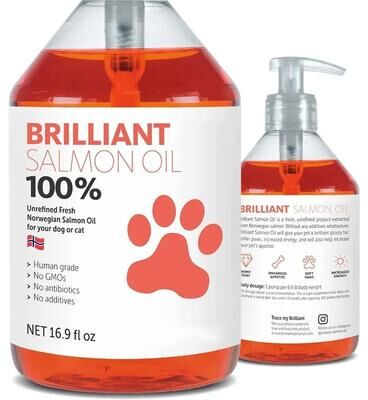
Inspired Finds Natural Salmon Fish Oil Supplement For Dogs & Cats With Omega Fatty Acids Natural Salmon Fish Oil Supplement For Dogs & Cats With Omega Fatty AcidsSupport your pets overall wellness with this nutrientrich salmon fish oil for pets formulated to help maintain healthy skin, a shiny coat, strong joints, and daily vitality. Packed with essential omega fatty acids, this easytouse liquid supplement...78,99 $*Shipping: 0,00 $Secure redirect to the provider
-
Happy Pet Pantry Premium Salmon Oil For Dogs And Cats Liquid Omega 3 Fatty Acids Pet Supplement For Skin Premium Salmon Oil For Dogs And Cats Liquid Omega 3 Fatty Acids Pet Supplement For SkinGive your furry companion the daily boost they deserve with this deeply nourishing liquid supplement, crafted for both dogs and cats. This 100ml bottle of pure salmon oil delivers concentrated omega 3 fatty acids pet supplement goodness that...32,97 $*Shipping: 0,00 $Secure redirect to the provider
-
Drop Dash Deals Cleansing Detox Foot Pads For Pain Relief & Toxin Removal Herbal Organic Foot Patches For Wellness Cleansing Detox Foot Pads For Pain Relief & Toxin Removal Herbal Organic Foot Patches For WellnessExperience a natural, rejuvenating detox with these 10 pcs Cleansing Detox Foot Pads. Designed to help remove harmful toxins from your body, these herbal organic patches are perfect for those seeking relief from aches, pain, and fatigue. Simply...29,97 $*Shipping: 0,00 $Secure redirect to the provider
-
Happy Pet Pantry Herbal Dog Throat & Respiratory Support Liquid For Cough Relief & Digestive Wellness Herbal Dog Throat & Respiratory Support Liquid For Cough Relief & Digestive WellnessWhen your dog struggles with coughing, dryness, or throat discomfort, it can be worrying to watch. This herbal liquid formula works as a dog throat supplement designed to gently soothe irritation and support daily comfort. Formulated for pet...39,97 $*Shipping: 0,00 $Secure redirect to the provider
-
How are genetic information passed on as nucleic acids?
Genetic information is passed on as nucleic acids through the process of DNA replication and cell division. During DNA replication, the double-stranded DNA molecule unwinds and separates into two strands, and each strand serves as a template for the synthesis of a new complementary strand. This results in two identical DNA molecules, each containing one original strand and one newly synthesized strand. During cell division, the replicated DNA is distributed equally between the two daughter cells, ensuring that each cell receives a complete set of genetic information in the form of nucleic acids. This process allows genetic information to be passed on from one generation to the next. **
-
How does a single DNA strand look with different nucleic acids?
A single DNA strand is made up of a sequence of nucleotides, which are the building blocks of DNA. Each nucleotide consists of a sugar molecule, a phosphate group, and a nitrogenous base. There are four different nitrogenous bases in DNA: adenine (A), thymine (T), cytosine (C), and guanine (G). The sequence of these bases along the DNA strand determines the genetic information it carries. So, a single DNA strand can look different depending on the specific arrangement of these nucleic acids along its length. **
-
Why are they called nucleic acids if they are made up of different bases?
Nucleic acids are called so because they were first discovered in the cell nucleus. They are made up of different bases, but the backbone of the nucleic acid molecule is composed of repeating units of sugar and phosphate, which form a chain. The bases are attached to this sugar-phosphate backbone, and they are responsible for carrying the genetic information. Therefore, the name "nucleic acid" reflects their initial discovery in the cell nucleus and their role in storing and transmitting genetic information. **
-
Are organic acids, aliphatic acids, and carboxylic acids the same?
No, organic acids, aliphatic acids, and carboxylic acids are not the same. Organic acids are a broad category of acids that are derived from living organisms and can include carboxylic acids, as well as other types of acids such as phenols and sulfonic acids. Aliphatic acids are a specific subset of organic acids that are characterized by having straight or branched carbon chains. Carboxylic acids are a type of organic acid that contain a carboxyl group (COOH) and are a subset of aliphatic acids. Therefore, while all carboxylic acids are organic acids and aliphatic acids, not all organic acids or aliphatic acids are carboxylic acids. **
Similar search terms for Nucleic acids
-
Inspire Essentials Herbal Wellness Navel Patch Comfortable Adhesive Body Patch 2Support your daily selfcare routine with this herbal wellness patch designed for convenient external use. This navel patch features a comfortable adhesive design that stays securely in place while fitting easily into your everyday routine....52,48 $*Shipping: 0,00 $Secure redirect to the provider
-
Cornerstone Press Make Me Well: The Truth About the Wellness Industry, Supplements, and Personalised Health by Xand van TullekenIn a world of endless wellness advice, learn how to make smarter decisions about your health with the empowering new book from doctor and broadcaster Xand Van Tulleken. Drawing on original reporting, expert insight and real-world case studies, he explores: The truth about supplements and vitamins ― what works and what doesn’t The rise of at-home blood testing and personalised health plans How wearable technology (fitness trackers, sleep trackers, smartwatches) shapes our behaviour The promises and pitfalls of consumer genomics and DNA testing Why the line between healthcare and the wellness industry has become blurred There has never been a more confusing time to try to be healthy. From supplements and blood testing to wearable technology and consumer genomics, the modern wellness industry promises better energy, performance and longevity. But how much of it is science, and how much is marketing? In his groundbreaking book, Make Me Well, Xand van Tulleken investigates the new Wild West of the wellness industry, offering a clear, evidence-based guide to navigating today’s most popular health trends. With practical advice and accessible science, Make Me Well will help you cut through misinformation, avoid unnecessary costs, and make informed decisions about your physical and mental wellbeing. If you’ve ever wondered which health trends are worth your time and money, this is your essential guide to modern wellness.12,99 £*Shipping: 2,99 £Secure redirect to the provider
-
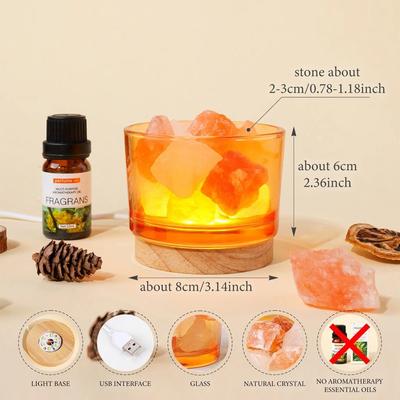
Uplifted Finds Natural Crystal Raw Stone Aromatherapy Lamp Rose Quartz Healing Mineral Light For Home & Wellness Decor obsidian including Lamp Base"Transform your environment into a serene haven with our Natural Crystal Raw Stone Aromatherapy Lamp. This premium decorative lamp is the ultimate designer solution for creating a ""HealingSanctuary"" or ""ZenMinimalist"" atmosphere in any home...."100,97 $*Shipping: 0,00 $Secure redirect to the provider
-
Inspire Essentials Herbal Wellness Navel Patch Comfortable Adhesive Body Patch 3Support your daily selfcare routine with this herbal wellness patch designed for convenient external use. This navel patch features a comfortable adhesive design that stays securely in place while fitting easily into your everyday routine....57,48 $*Shipping: 0,00 $Secure redirect to the provider
-
What are organic acids?
Organic acids are a class of compounds that contain one or more carboxyl groups (–COOH) attached to a carbon atom. These acids are naturally occurring in various fruits, vegetables, and other organic materials. Some common examples of organic acids include citric acid in citrus fruits, acetic acid in vinegar, and lactic acid in dairy products. Organic acids are important in various biological processes and are also used in food preservation, flavoring, and as chemical intermediates in various industries. **
-
Why are simple organic acids also called alkanic acids?
Simple organic acids are also called alkanic acids because they are derived from alkanes, which are saturated hydrocarbons. These acids contain a carboxyl group (-COOH) attached to an alkyl group, which is a hydrocarbon chain. The alkyl group in these acids is derived from alkanes, hence the name alkanic acids. Examples of alkanic acids include acetic acid (derived from methane) and formic acid (derived from methanol). **
-
Why are simple organic acids also called alkanes acids?
Simple organic acids are also called alkanes acids because they are derived from alkanes, which are saturated hydrocarbons. These acids have a carboxyl group (-COOH) attached to an alkyl group, making them a type of alkane derivative. The simplest organic acid, formic acid, is derived from methane, the simplest alkane. The naming convention reflects the structural relationship between alkanes and organic acids. **
-
Are organic acids highly water-soluble?
Yes, organic acids are generally highly water-soluble. This is because organic acids contain one or more carboxyl groups, which are polar and can form hydrogen bonds with water molecules. This makes them readily dissolve in water, leading to high water solubility. Examples of highly water-soluble organic acids include acetic acid and citric acid. **
* All prices are inclusive of VAT and, if applicable, plus shipping costs. The offer information is based on the details provided by the respective shop and is updated through automated processes. Real-time updates do not occur, so deviations can occur in individual cases. ** Note: Parts of this content were created by AI.